
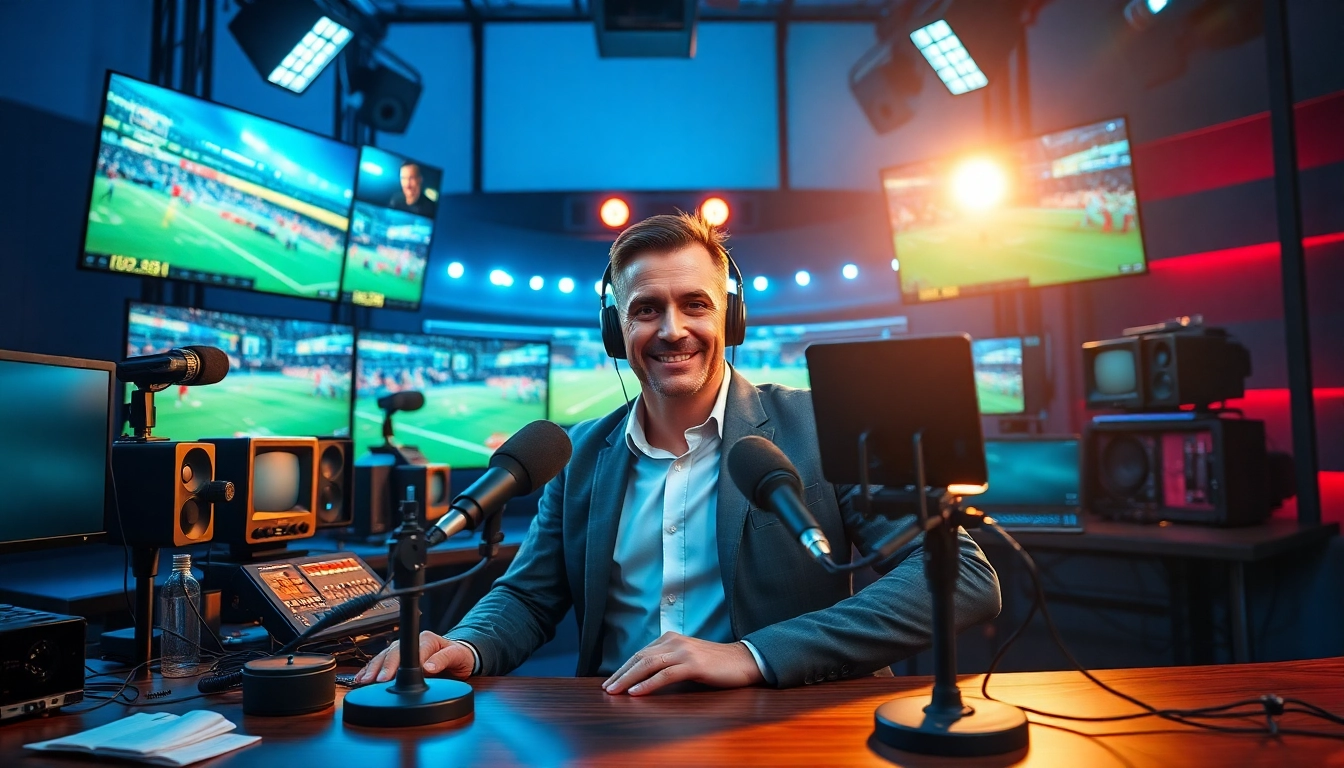
Understanding the Basics of Sports Broadcasting
What is Sports Broadcasting?
Sports broadcasting refers to the live or recorded transmission of sports events via various media platforms such as television, radio, and online channels. This form of media provides audiences with access to sporting events from around the globe, catering to fans by delivering real-time commentary, analysis, and highlights. A well-executed Sports Broadcasting experience can enhance the enjoyment of the event, bridging the gap between the game and the viewer, whether at home or on-the-go.
The Evolution of Sports Broadcasting
Sports broadcasting has undergone significant transformation since its inception. In the early days, radio was the primary medium for broadcasting sports, allowing play-by-play updates to reach eager fans. With technological advancements, television took center stage, bringing vibrant visuals and engaging commentary into homes. The digital revolution has introduced live streaming, mobile apps, and social media integration, further expanding access and interactivity for audiences. Each advancement in broadcasting technology has not only improved accessibility but has also shaped how viewers engage with sports over the decades.
Key Terms in Sports Broadcasting
To navigate the world of sports broadcasting effectively, it’s essential to understand some key terms. Here are a few to familiarize yourself with:
- Play-by-play: The detailed and immediate narrative of the action during a live event.
- Color commentary: Insightful and entertaining commentary provided by experts, often giving context and analysis during broadcasts.
- Live streaming: The process of delivering content instantly to an audience via the internet as it happens.
- Broadcast rights: Legal agreements allowing a broadcaster to air sports events.
Essential Equipment for Sports Broadcasting
Cameras and Angles for Optimal Coverage
For an engaging broadcast, selecting the right cameras and angles is crucial. High-definition cameras are a standard requirement to ensure that audiences can enjoy a sharp and clear view of the action. Deploying multiple camera angles provides a comprehensive perspective of the event, showcasing different player movements and critical moments. For example, a bird’s-eye view can enhance strategic analysis, while close-up shots can capture the emotion of the players and fans alike.
Audio Equipment for Clear Transmission
Quality audio is just as vital as visuals in sports broadcasting. Reliable microphones and mixing equipment enable clear transmission of commentary, crowd noise, and on-field sounds, immersing the audience in the live experience. Wireless microphones can ensure that commentators can move freely while maintaining high audio standards, essential for an engaging broadcast. Furthermore, sound engineers play a critical role in balancing commentary with ambient noise to create a cohesive listening experience.
Software and Tools for Live Broadcasting
As technology progresses, numerous software platforms and tools have emerged to improve live broadcasting capabilities. From editing suites that enable quick highlight creation to streaming software that facilitates real-time interaction with audiences, the right tools are crucial. User-friendly interfaces and reliable performance are key traits to consider when selecting broadcasting software. Moreover, utilizing analytics tools can help broadcasters assess viewer engagement and adjust content accordingly for future broadcasts.
Techniques for Engaging Your Audience
Interactive Content in Sports Broadcasting
Creating interactive content can significantly enhance audience engagement during sports broadcasts. Polls, quizzes, and live chat features allow viewers to interact directly with broadcasters and each other, making them feel like part of the event. Encouraging audience participation not only adds a layer of excitement but also helps in building a dedicated viewership base ready to interact in future broadcasts.
Utilizing Social Media to Enhance Reach
Social media platforms present valuable opportunities for sports broadcasters to extend their reach and engage with fans beyond the traditional broadcast. Sharing highlights, behind-the-scenes content, and real-time updates keeps fans engaged and encourages organic discussions. Platforms like Twitter, Instagram, and TikTok serve as effective channels for promotions and building excitement leading up to and during sporting events. By leveraging social media, broadcasters can cultivate a vibrant online community centered around live events.
Building Community around Sports Content
Establishing a sense of community among fans is crucial for long-term success in sports broadcasting. Hosting forums, fan meet-ups, and online communities can facilitate discussions about teams and events beyond broadcasts. Engaging with fans’ feedback and interests can create deeper connections, ensuring that they remain loyal to the broadcasting brand. By prioritizing community-building efforts, broadcasters can enhance viewer loyalty and promote ongoing interaction.
Legal Considerations in Sports Broadcasting
Broadcast Rights and Licensing
Understanding broadcast rights and licensing agreements is essential for any entity involved in sports broadcasting. Securing the necessary permissions to air events can often be complex, as rights are typically held by leagues, teams, or other organizations. Broadcasters must be vigilant to ensure they comply with all licensing requirements, negotiating fair terms that respect the intellectual property of sports organizations while also generating revenue. Rights acquisition strategies can vary greatly depending on the sport, the geographical market, and the type of broadcast (e.g., local vs. international).
Understanding FCC Regulations
In the United States, the Federal Communications Commission (FCC) sets regulations that govern communications and broadcasting. Sports broadcasters must adhere to these rules to ensure compliance, which often includes content standards, advertising regulations, and broadcast licensing policies. A thorough understanding of these regulations helps broadcasters avoid legal issues and maintain a positive reputation in the industry.
Staying Compliant with Content Standards
Compliance with established content standards is paramount in sports broadcasting to foster trust and transparency. Certain guidelines exist pertaining to advertising, sponsorships, and content distribution. Broadcasters must navigate these requirements while also being mindful of ethical considerations, particularly regarding sensitive issues surrounding player conduct and representation. Maintaining high integrity and ethical standards is essential for the long-term sustainability of broadcasting operations.
Future Trends in Sports Broadcasting
Emerging Technologies in Broadcasting
The sports broadcasting landscape continues to evolve as new technologies emerge. Virtual reality (VR) and augmented reality (AR) are at the forefront of creating immersive viewing experiences, allowing fans to see games from unique perspectives. AI-driven analytics provide valuable insights that can enhance commentary and strategic discussions. Additionally, advancements in 5G technology are likely to improve live streaming quality, making broadcasts more accessible for audiences on mobile devices.
The Role of Streaming Services in Sports
Until recently, traditional broadcasting dominated sports coverage; however, streaming services have rapidly gained ground. Companies focusing on direct-to-consumer models offer viewers flexibility to watch events on their own schedules and devices. This shift has driven broadcasters to reconsider their strategies, often leading to innovative collaboration efforts to reach audiences through both traditional and digital platforms effectively.
Predictions for the Future of Sports Broadcasting
As we look ahead, the future of sports broadcasting appears increasingly integrated with technology. Increasing reliance on data analytics from viewer engagement can dictate programming decisions and help tailor content to audience preferences. Additionally, partnerships between technology firms and broadcasting entities may foster further innovation. Audiences can expect more customized and high-quality content, along with enhanced interactivity that aligns with how they consume media today.
FAQs about Sports Broadcasting
What is Sports Broadcasting?
Sports broadcasting involves the live or recorded transmission of sports events via television, radio, or online platforms to entertain and inform audiences.
What equipment do I need for sports broadcasting?
Essential equipment includes high-quality cameras, microphones, broadcasting software, and reliable internet connections for live streaming.
How can I engage my audience during broadcasts?
Engage audiences by incorporating interactive content, leveraging social media, and creating community discussions during live events.
What legal issues should I consider in sports broadcasting?
Be aware of broadcast rights, licensing agreements, and FCC regulations that govern content distribution and compliance.
What future trends are shaping sports broadcasting?
Emerging technologies such as AI, VR, and streaming platforms are transforming how sports are broadcast and consumed and may dominate the future.